Why Do Gymnasts Wear Grips?
A Parent's Guide to One of Gymnastics' Most Important Pieces of Equipment
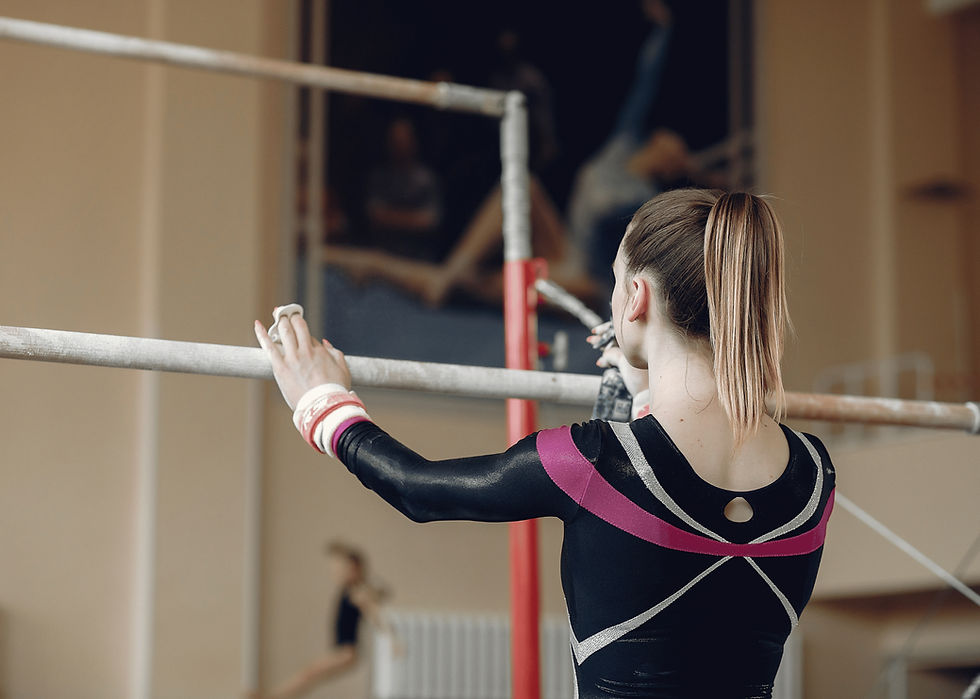
If you're new to the world of competitive gymnastics, you've probably noticed that many gymnasts wear strange-looking leather straps on their hands when they compete on bars.
Maybe you've heard gymnasts talking about getting their "first pair of grips" or watched older athletes carefully putting them on before practice. Grips are a huge milestone for young gymnasts.
As a new gymnastics parent, you might be wondering:
What exactly are grips?
Why do gymnasts wear them?
Does every gymnast need them?
When should a gymnast start using grips?
Do grips make bars easier?

The answer is a little more complicated than you might think.
Grips are one of the most recognizable pieces of gymnastics equipment, but they are also one of the most misunderstood. While many people assume grips are simply used to prevent rips or make it easier to hold onto the bar, they actually serve several important purposes.
Let's take a closer look at what grips are, why gymnasts use them, and what parents should know before their athlete gets her first pair.
What Are Gymnastics Grips?
Gymnastics grips are pieces of leather that fit over a gymnast's hands and attach around the wrist using a buckle, Velcro strap, or dowel system.
They are designed specifically for use on the uneven bars and are commonly worn by gymnasts in:
USAG Development Program
Xcel Program
NGA
Elite Gymnastics
NCAA Gymnastics
Not all grips are the same.
Different brands and styles are designed for different skill levels and hand sizes.
Some grips are simple leather hand guards, while others include a small wooden or leather dowel that helps the gymnast maintain contact with the bar during advanced skills.
Why Do Gymnasts Wear Grips?
Most gymnasts wear grips for three primary reasons:
1. To Protect Their Hands
The most obvious reason is hand protection.
Bars involve hundreds of swings, casts, kips, giants, and other skills every week.
Over time, this constant friction can be tough on the hands.
Without protection, gymnasts often develop:
Blisters
Calluses
Skin tears
Painful rips
A rip occurs when a section of skin tears away from the palm, exposing sensitive skin underneath.
If you've never seen one before, trust me—they can look pretty dramatic. Image having to train with these...
Grips help reduce friction between the gymnast's hands and the bar, which can decrease the frequency and severity of rips.
It's important to note that grips don't completely eliminate rips. Even elite gymnasts occasionally tear their hands.
However, grips can significantly reduce the wear and tear bars places on the skin.
2. To Improve Swing Mechanics
This is something many new parents don't realize.
Grips aren't just about protecting hands.
They can actually help gymnasts swing more efficiently.
As gymnasts advance, bar skills become increasingly dynamic.
Skills such as:
Giants
Clear hips
Release moves
Pirouettes
require powerful, continuous swings around the bar.
Properly fitted grips help gymnasts maintain a more consistent connection with the bar throughout these movements.
This allows athletes to focus on technique and body position rather than simply trying to hold on.
3. To Improve Grip Security
Let's be clear about one thing.
Grips are not magic.
They do not "glue" a gymnast to the bar.
Gymnasts still need tremendous hand strength and technique.
However, grips can provide a more secure connection to the bar during advanced skills.
Many gymnasts feel more confident performing difficult bar routines while wearing grips because they provide a consistent feel and help reduce hand fatigue during long workouts.
What Is a Dowel Grip?
When people picture competitive gymnasts on bars, they're often seeing athletes wearing dowel grips.
A dowel grip includes a small rod—called a dowel—positioned near the fingers.
When the gymnast swings around the bar, the dowel can help create a more efficient connection between the hand and the bar.
Dowel grips are especially common among optional gymnasts and higher-level athletes.
You'll see them frequently in:
USAG Levels 6-10
NGA Optional Levels
Elite Gymnastics
College Gymnastics
Because dowel grips change how a gymnast interacts with the bar, athletes usually transition into them only after developing sufficient strength and basic bar technique.
When Do Gymnasts Start Wearing Grips?
One of the most common questions parents ask is:
"When will my gymnast get grips?"
The answer varies from gym to gym.
Some athletes begin using grips around:
Level 5
Level 6

Others may start earlier or later depending on the gym's philosophy and the gymnast's development.
There is no universal rule.
Many coaches prefer gymnasts to first develop:
Hand strength
Proper swing technique
Bar awareness
before introducing grips.
If a gymnast starts using grips too early, she may become dependent on them before developing the necessary fundamentals.
Your coach will usually recommend grips when they feel your gymnast is ready. For my daughter and her teammates, gymnasts began wearing them once they got their kip and the coaches had to ensure proper fit before she could wear them. It was a huge motivator for her to achieve her kip.
Why Don't Younger Gymnasts Wear Grips?
If grips are so helpful, why doesn't every gymnast wear them?
The answer is simple:
Young gymnasts are still learning foundational skills.
Beginning gymnasts need to develop:
Grip strength
Forearm strength
Swing mechanics
Basic bar technique
Many coaches believe this development happens best without grips initially.
Think of it like learning to ride a bike.
You wouldn't put a child on an advanced racing bike before learning balance and control.
The same concept applies to gymnastics.
Are Grips Expensive?
Compared to some gymnastics expenses, grips are relatively affordable.
Most grips cost between:
$40-$90 per pair
depending on the brand and style. Gibson double buckle grips are my daughter's personal favorite.
Parents should also budget for:
Wristbands
Grip bags
Replacement grips as the gymnast grows
While this may seem expensive for small pieces of leather, quality grips can last a long time when properly cared for.
Do Grips Require Maintenance?
Absolutely.
Experienced gymnastics parents quickly learn that grips need care.
Gymnasts often:
Store grips in a grip bag
Brush chalk off regularly
Allow them to air dry
Replace them when worn out
Improperly maintained grips can become stiff, slippery, or unsafe.
Like many pieces of gymnastics equipment, proper care extends their lifespan.
Keep in mind, just like baseball gloves, grips take time to break in. As my daughter progress to higher optional levels, we made sure she kept a backup pair she'd worn a few times. Imagine being at a meet, getting ready to compete on bars and your grip breaks...
Common Myths About Grips
Myth #1: Grips Prevent All Rips
Unfortunately, no.
Gymnasts can still develop blisters and rips while wearing grips.
Myth #2: Grips Make Skills Easy
Not even close.
Grips help support performance, but they cannot replace strength, technique, and training.
Myth #3: Every Gymnast Needs Grips
Not necessarily.
Many younger athletes compete successfully without them.
Myth #4: Expensive Grips Automatically Work Better
The best grip is the one that fits properly and matches the gymnast's needs.
A coach's recommendation is usually more important than the brand name.
A Major Milestone for Many Gymnasts
For many athletes, getting their first pair of grips feels like a rite of passage.
It's often viewed as a sign that they are progressing into more advanced bars training.
Much like receiving a first team leotard or learning a kip, getting grips can be an exciting milestone in a gymnast's journey.
Many gymnasts proudly remember the day they got their first pair.
Final Thoughts
Gymnastics grips may look like simple pieces of leather, but they play an important role in bars training and competition.
They help protect hands, support efficient swinging, and provide a more consistent connection with the bar during advanced skills.
While not every gymnast wears grips, most competitive athletes eventually use them as they progress through the sport.
If your gymnast hasn't started wearing grips yet, don't worry. Every athlete develops at their own pace, and coaches carefully decide when the time is right.
And when that day comes, you'll officially join the long tradition of gymnastics parents learning how to store grip bags, clean chalk off car seats, and wonder how such a small piece of leather became such an important part of the sport!


Comments